

Clear records
history record
cancel
Clear records
history record


Please keep this treasure guide on how to choose the type of plastic track
With the golden decade of the development of China's sports industry, the sports industry has become a national development strategy. Now more and more schools choose to lay plastic tracks, but there are many types of plastic track materials. I don't know which material is more suitable? Then please keep this guide on how to choose the type of plastic track! The following lists the advantages, disadvantages and applicability of the four common plastic tracks.
(1 Composite plastic tracks are mainly used for non-standard tracks in primary and secondary schools, kindergartens, etc., which are more expensive than breathable plastic tracks. They are UV-resistant and wear-resistant, can avoid sports injuries, have a strong elastic layer, and are generally based on cement concrete. The hardness of this part has been properly adjusted and is durable. This is very helpful for primary school students to exercise, play or improve their performance.
2] Breathable plastic track is cost-effective, costing about 15% less than composite plastic track and 28% less than mixed plastic track. It has high core strength and good permeability, and is particularly suitable for high-frequency occasions such as schools, without affecting its superior performance. It has excellent waterproofness and breathability, and is suitable for the southern region with heavy rain and hot weather.
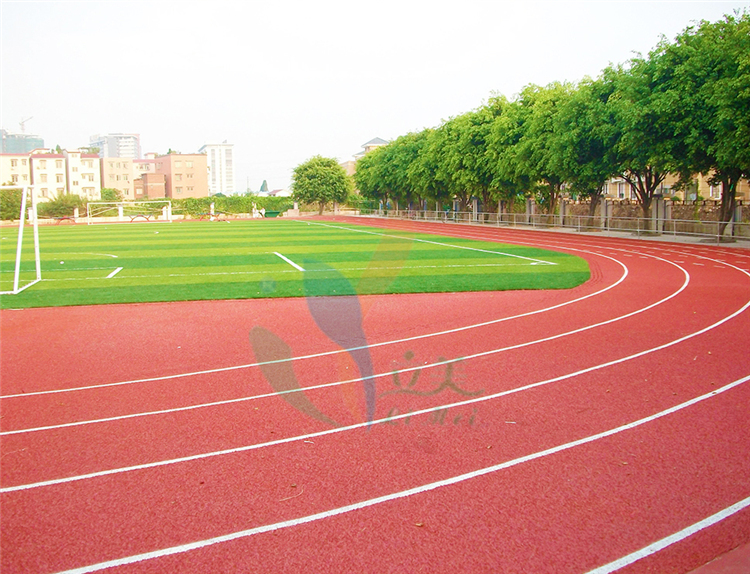
3. The surface of the hybrid plastic track has more polyurethane material, so its elasticity is better than the other two tracks. It is highly industrialized, and the total polyurethane raw materials are expensive. It is usually used in special stadiums and university tracks. It adopts a hybrid structure approved by the IAAF, meets international standards, and is suitable for all kinds of school stadiums.
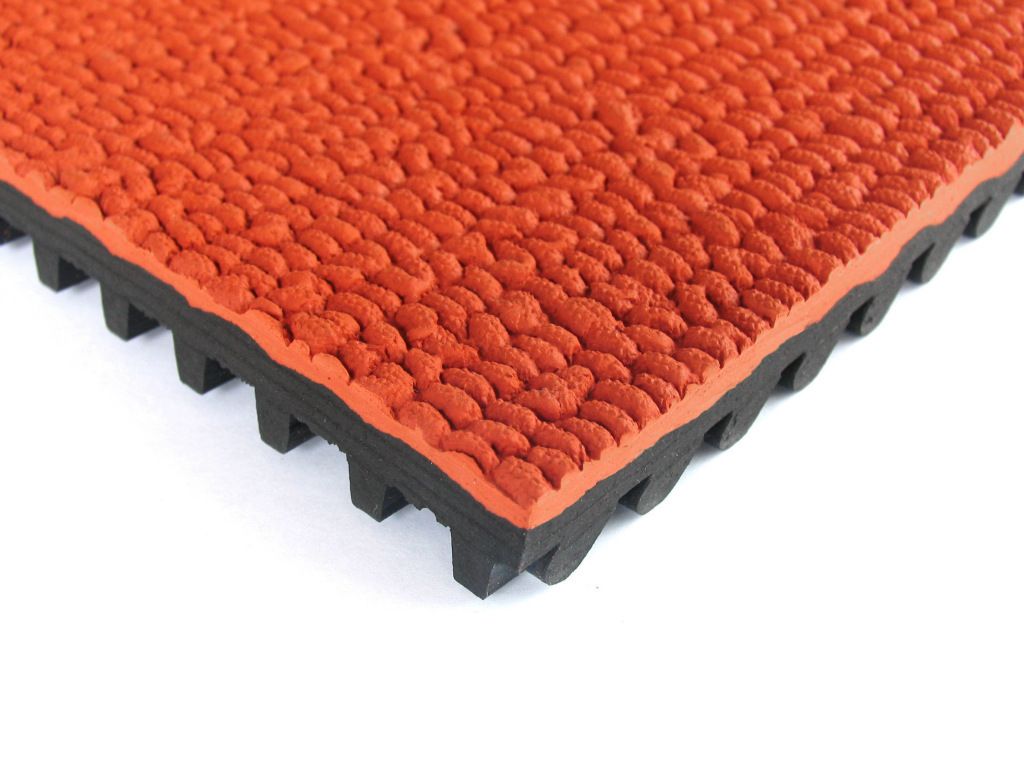
4. The prefabricated plastic track is the best among the plastic track types, and has excellent functions that ordinary primary and secondary schools cannot accept. The bottom design adopts geometric design, which can change its curvature, impact absorption and energy return. The surface is designed with concave surface to ensure that rainwater will not stay on the main contact surface in any weather conditions and will not affect friction.

 The browser own share function is also very useful~


@2024 Limei Flooring Products (Guangdong) Co., Ltd. All rights reserved
Guangdong ICP No. 19141775-18

品牌认证
650天
已认证
